We’ve grown our own vegetables at The Mansion House for many years. In fact, I’ve been growing vegetables for around 25 years, inspired by my grandparents and by time spent on a farm during the summer holidays when I was at school. Odile and I have gardened together for around 15 years, and throughout that time we’ve enjoyed varying degrees of success.
Like many people, we’ve often been enthusiastic but short of time.
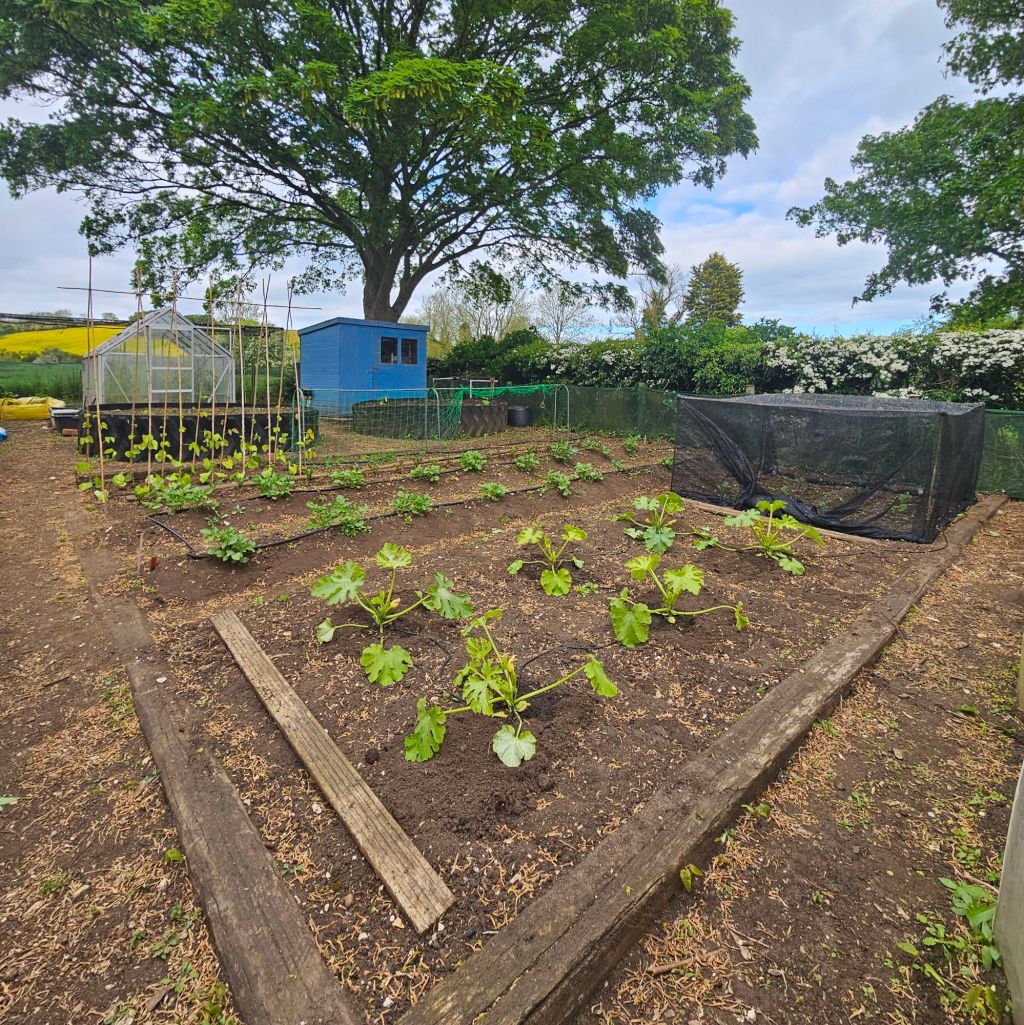
For years the vegetable garden was a little haphazard. We’d grow plenty, enjoy some successes, suffer a few failures and somehow muddle through. Working long hours in retail meant there was rarely enough time to properly plan things. Seeds would be started when we found a spare moment. Crops would be squeezed into whatever space happened to be available. Sometimes it worked brilliantly, other times less so.
Last year, however, things began to change.
We had one of our better growing seasons. Nothing revolutionary happened, but we managed to stay on top of things more than usual and the results were encouraging. More importantly, it reminded us how much we enjoy growing our own food and how satisfying it is to walk outside and pick something you’ve produced yourself.
That success inspired a bit of a reset.
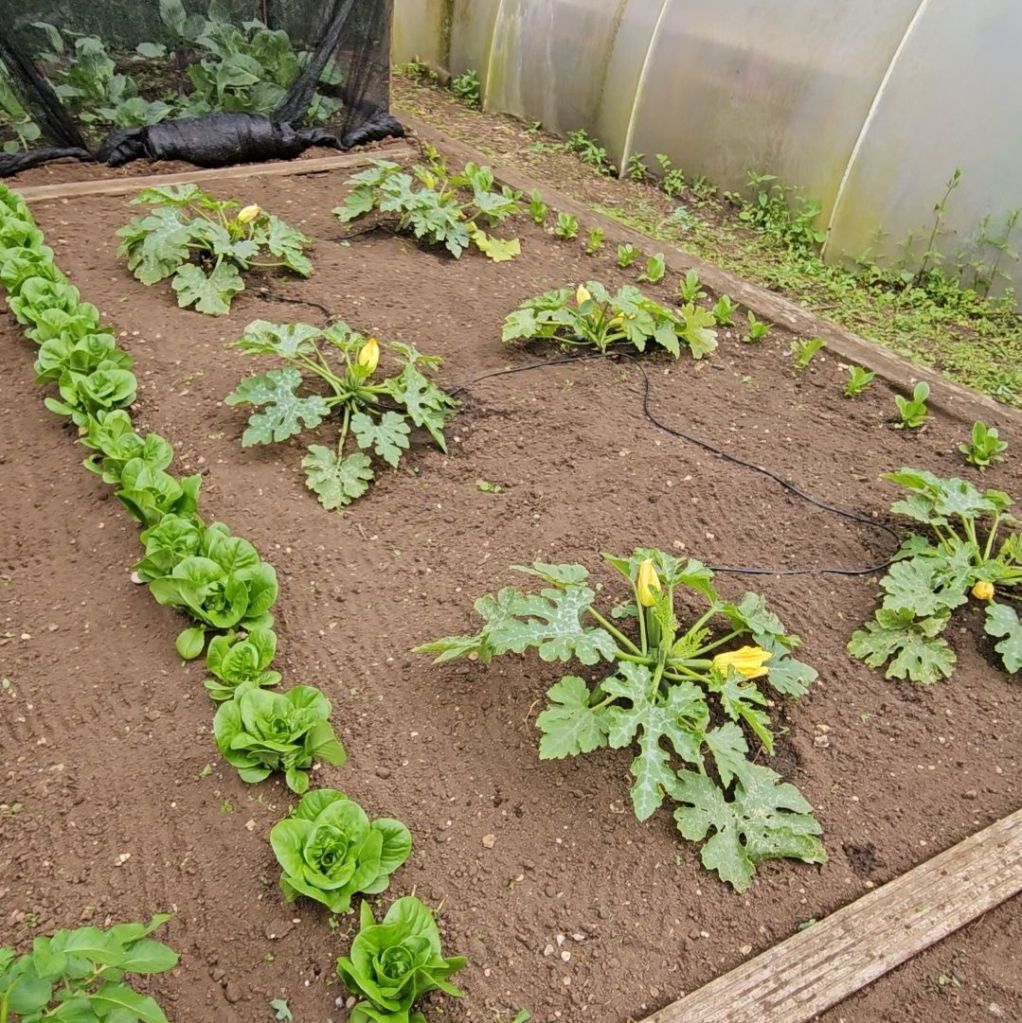
Rather than simply repeating what we’d always done, we spent the winter thinking about how we could improve the way we garden. Not by making it bigger, but by making it smarter.
This year we’ve approached the garden completely differently.
Instead of planting things wherever there happened to be space, we’ve planned what we want to grow and where it will go. We’ve thought about timings, succession planting, irrigation and how best to use the space available. The vegetable garden isn’t huge, so making every square foot count is important.
Technology has played a surprisingly useful role.
Temperature data loggers now help us understand exactly what’s happening inside the greenhouse and polytunnel. We’ve refined our heating arrangements, invested in proper grow lights to get tomatoes, peppers and other crops started earlier, and installed remote-controlled irrigation systems with carefully positioned drippers to ensure plants receive consistent watering.
What would once have been guesswork has become much more informed decision-making.
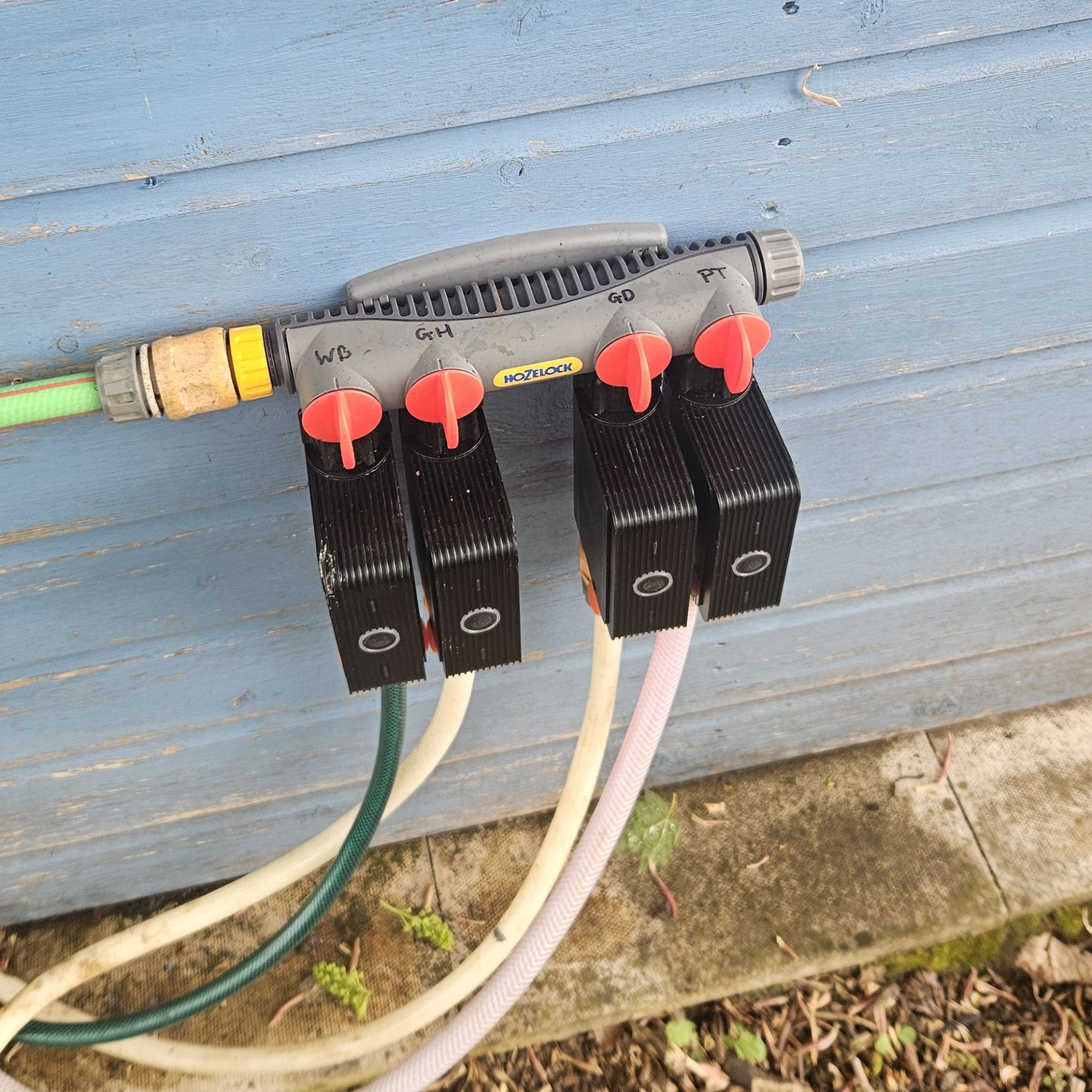
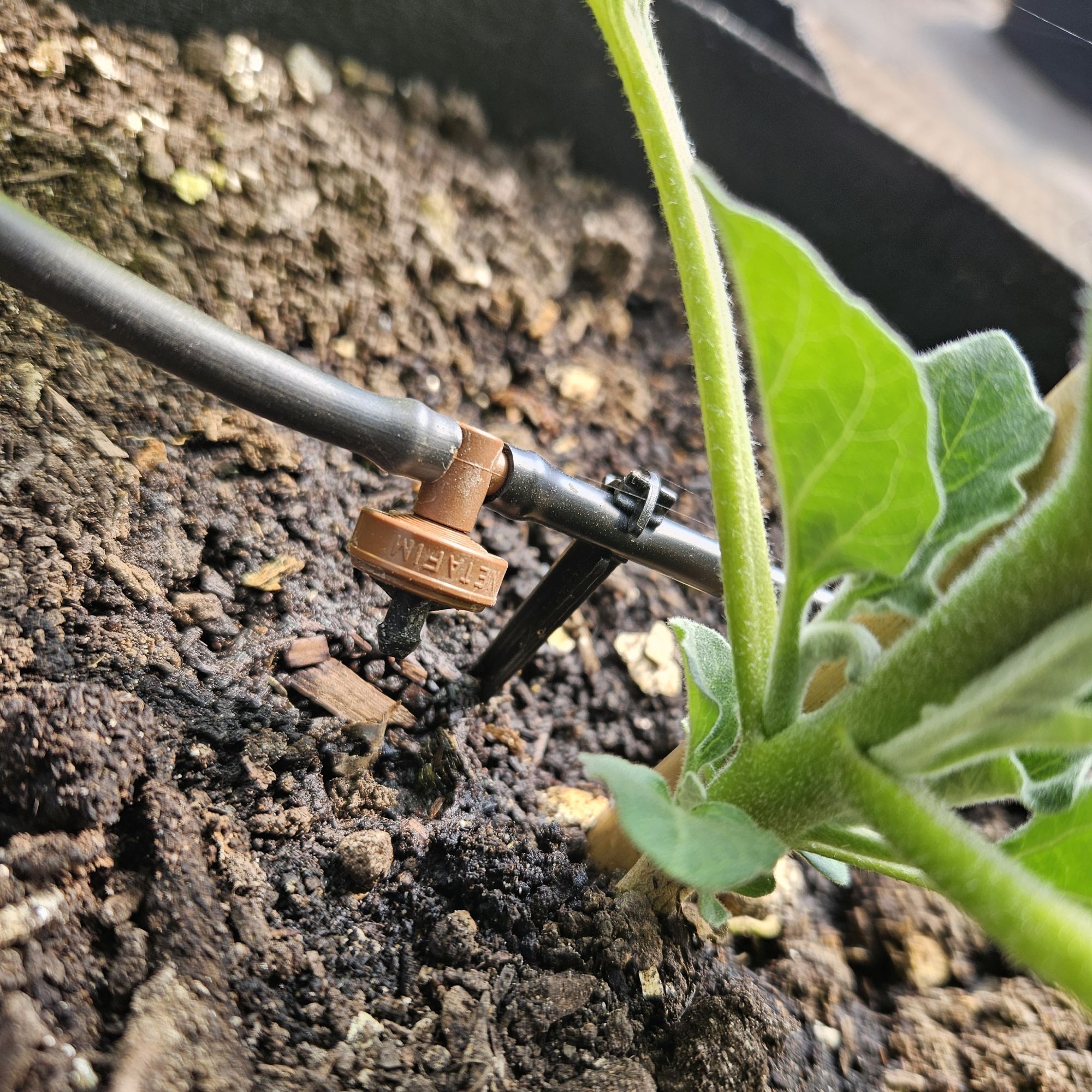
Perhaps most useful of all has been having access to AI tools that allow us to analyse data, troubleshoot problems and bounce ideas around. Whether it’s working out irrigation schedules, interpreting temperature trends or discussing growing techniques, it has helped us make better decisions and avoid some of the mistakes we’ve made in the past.
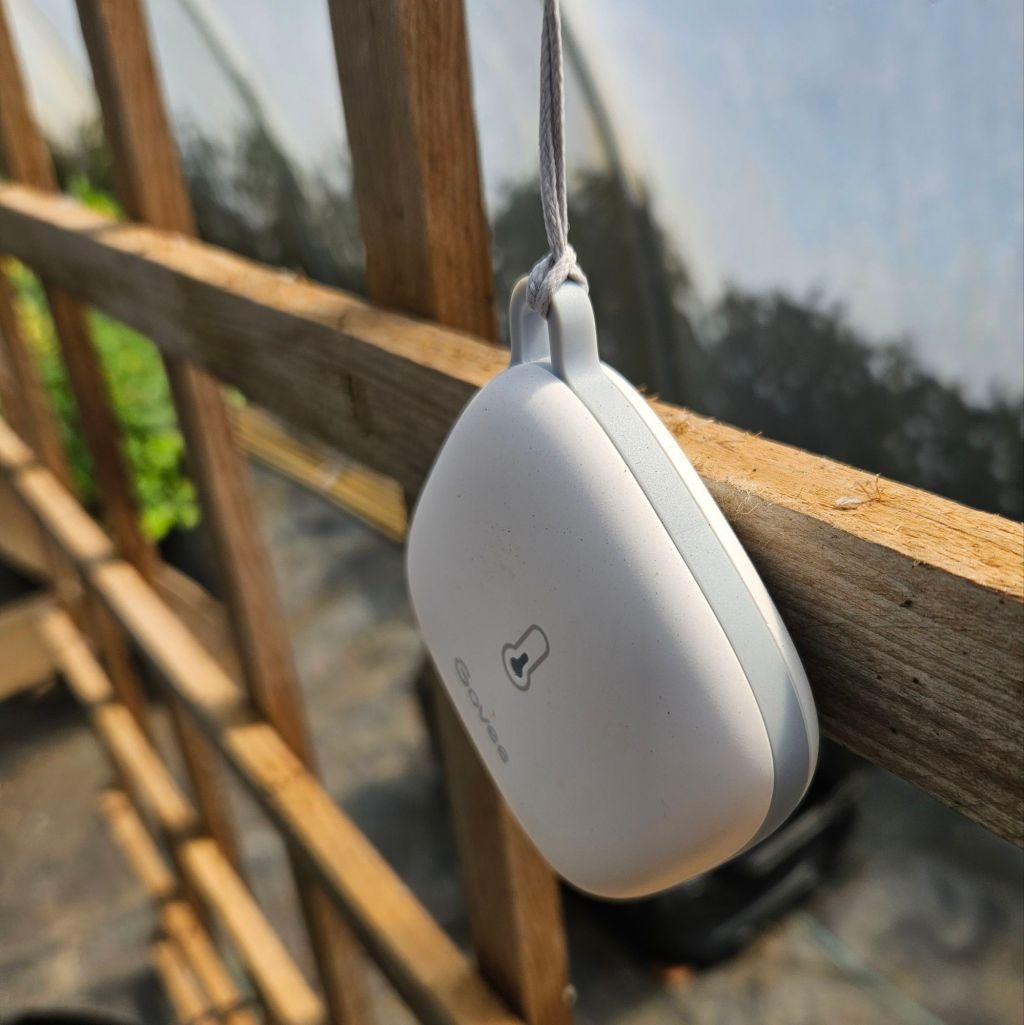
Alongside the technology, we’ve also improved the practical side of things.
A proper rotavator has allowed us to cultivate the soil more deeply than ever before. The potting bench, built largely from reclaimed pallets, has been expanded to give us more working space. We’ve added capillary matting systems for raising seedlings and organised the growing areas so that everything has a place.

None of these changes are particularly dramatic on their own. Together, however, they’ve transformed the way we work.
For the first time ever, it feels as though we’re genuinely ahead rather than constantly catching up.
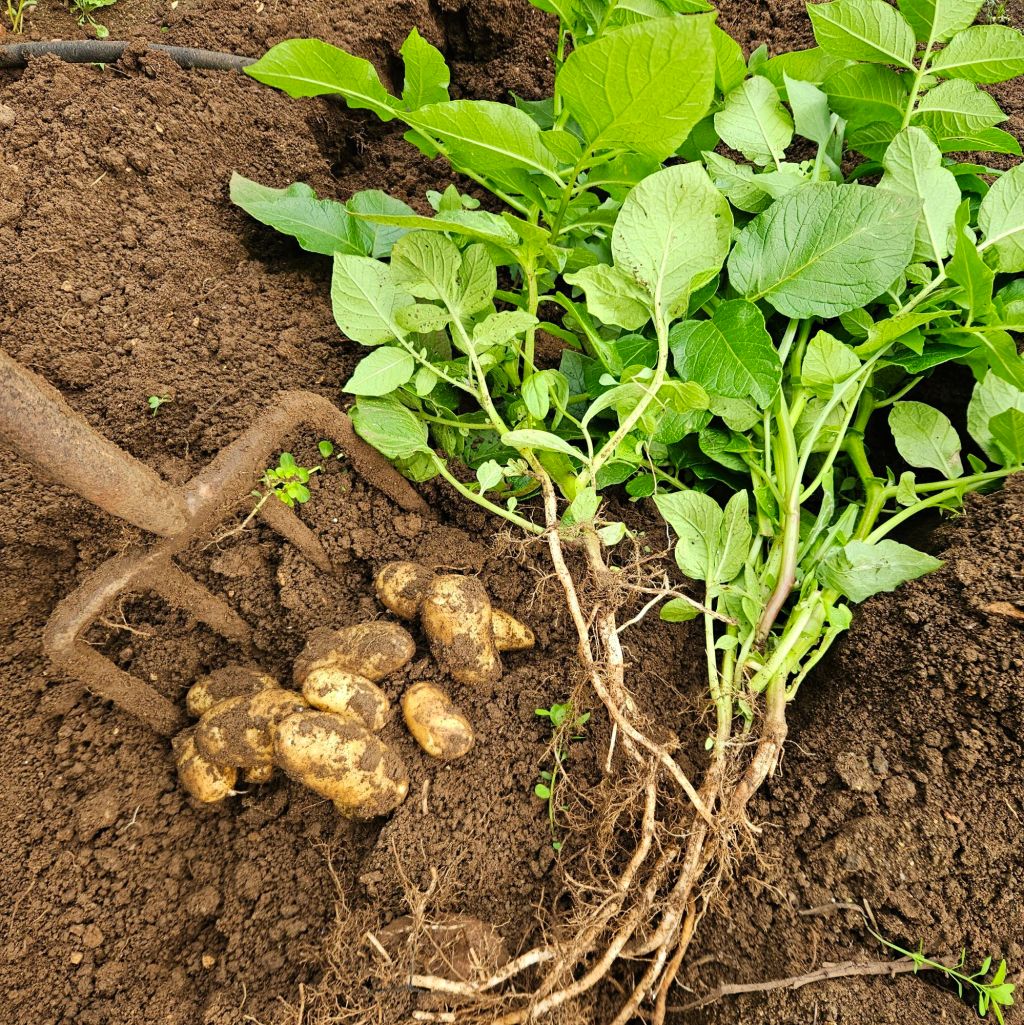
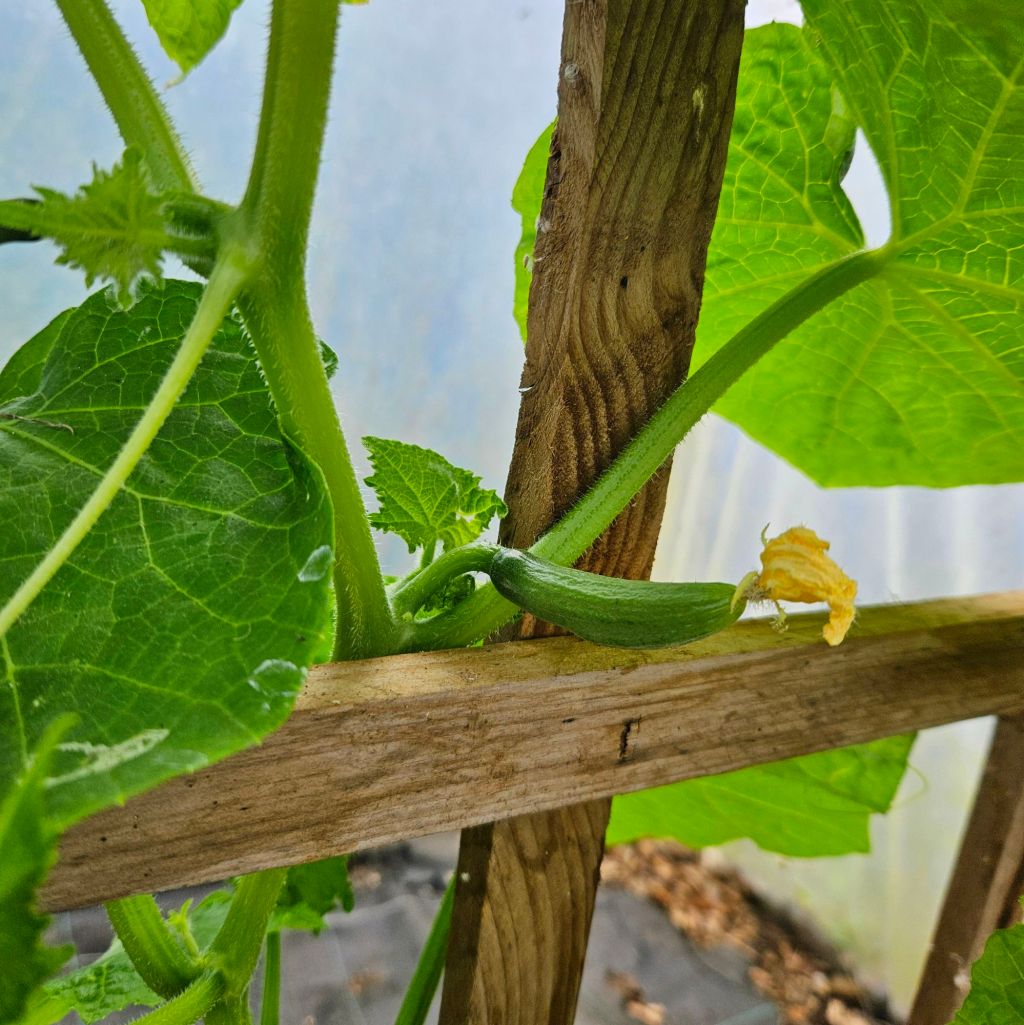
As I write this, the tomatoes are thriving, the peppers look promising, the potatoes are already producing, and the beds are full of healthy crops. There is still plenty of the season ahead and gardening always has a way of keeping you humble, but touch wood, everything is shaping up to be one of our best years yet.

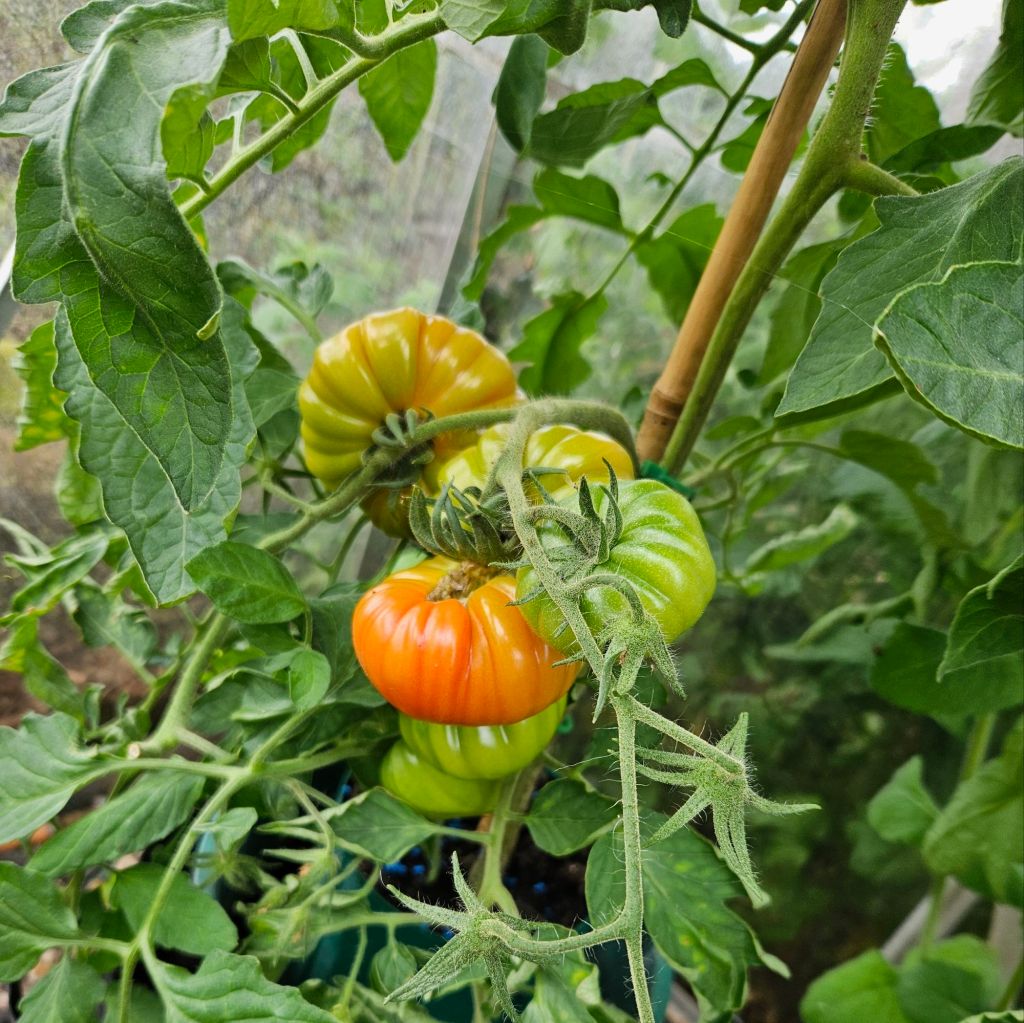
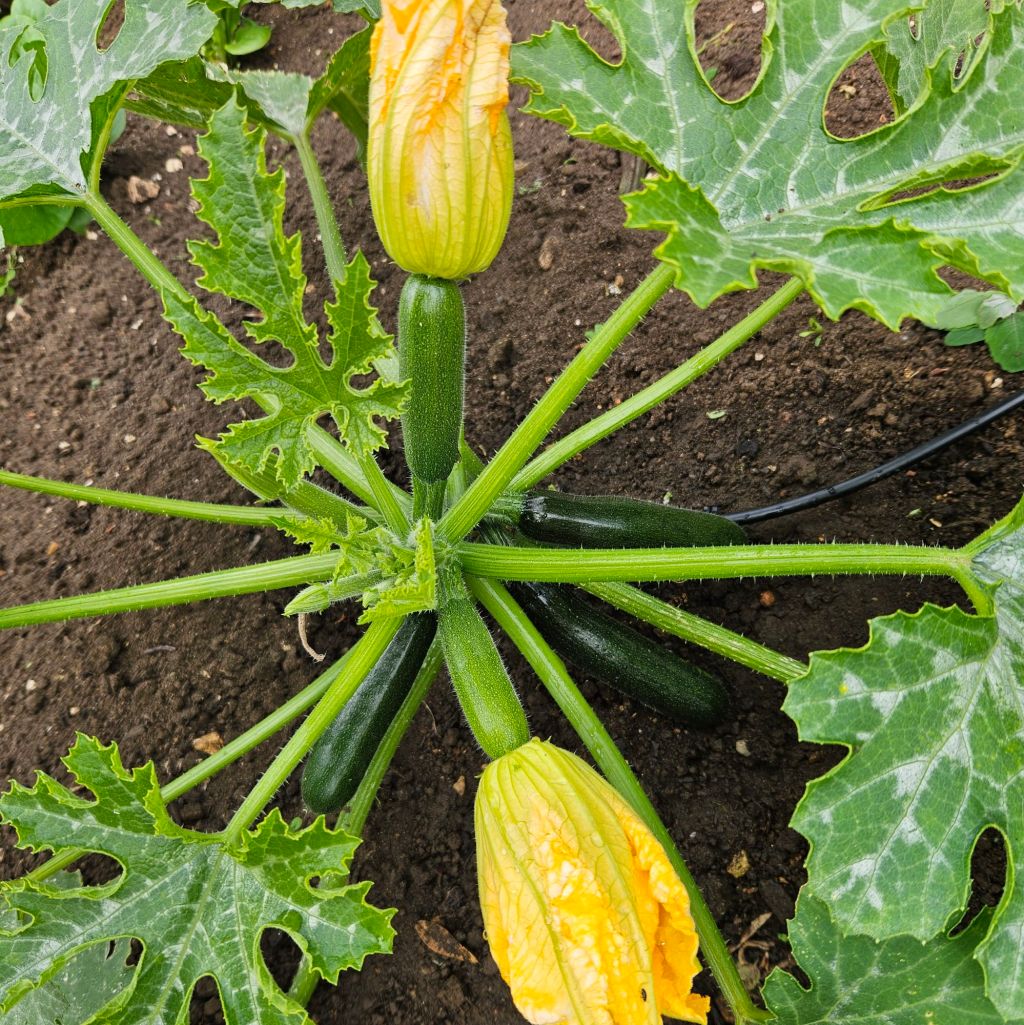
The biggest lesson has been that success in the vegetable garden isn’t usually about one magic trick. It’s about lots of small improvements, made consistently over time.
A little more planning. A little better organisation. A few useful tools. A willingness to learn.
After twenty-five years of growing vegetables, it turns out we’re still learning. And perhaps that’s one of the reasons we enjoy it so much.
 Secret Passage Supper Club