I’m Jim, and before I became a full-time window restorer I spent nearly twenty years as a butcher.
Although my days are now mostly spent repairing historic windows, I never lost my love of food, traditional skills, and old-fashioned craftsmanship.
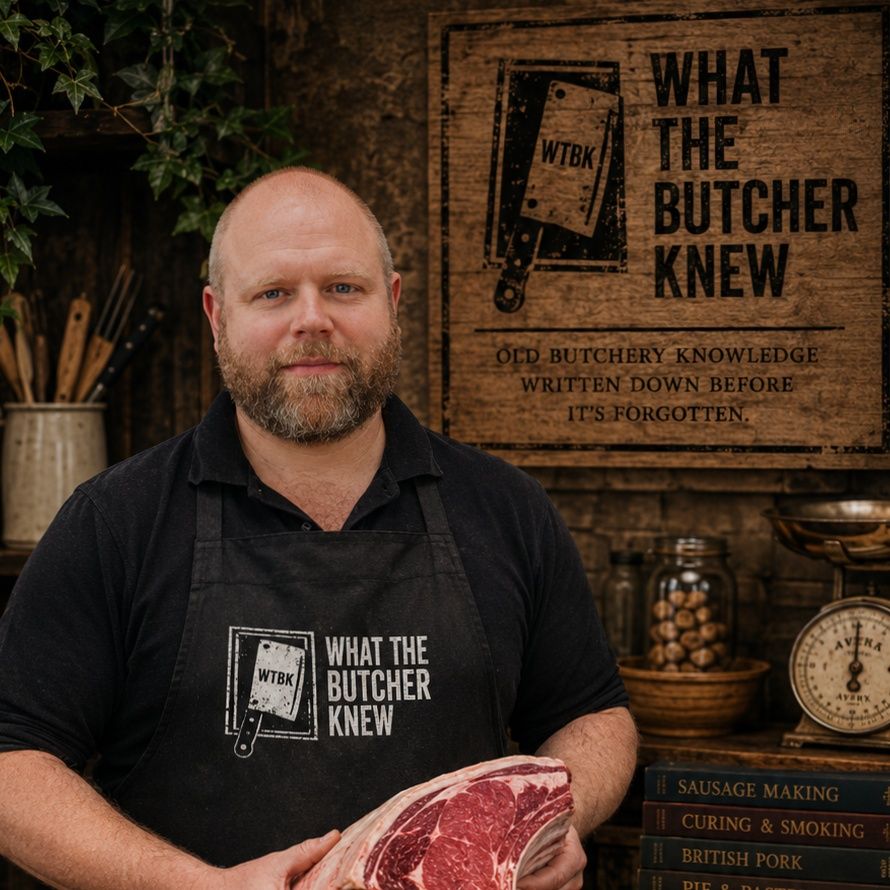
What The Butcher Knew grew from a desire to write down some of the recipes, techniques, and practical knowledge I picked up over the years before they disappear. It’s a place for old skills, traditional food, and the sort of knowledge that was once passed from one generation to the next.
In many ways it’s the same reason we care for The Mansion House. Some things are worth preserving.
What You’ll Find
Traditional recipes and butchery techniques
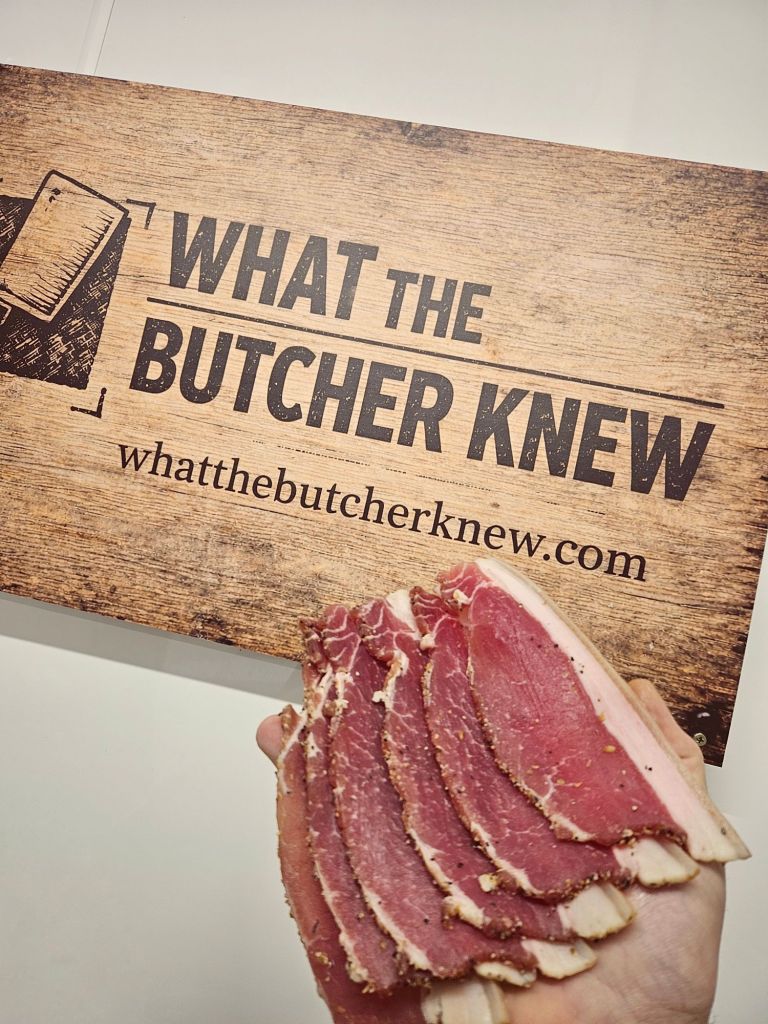
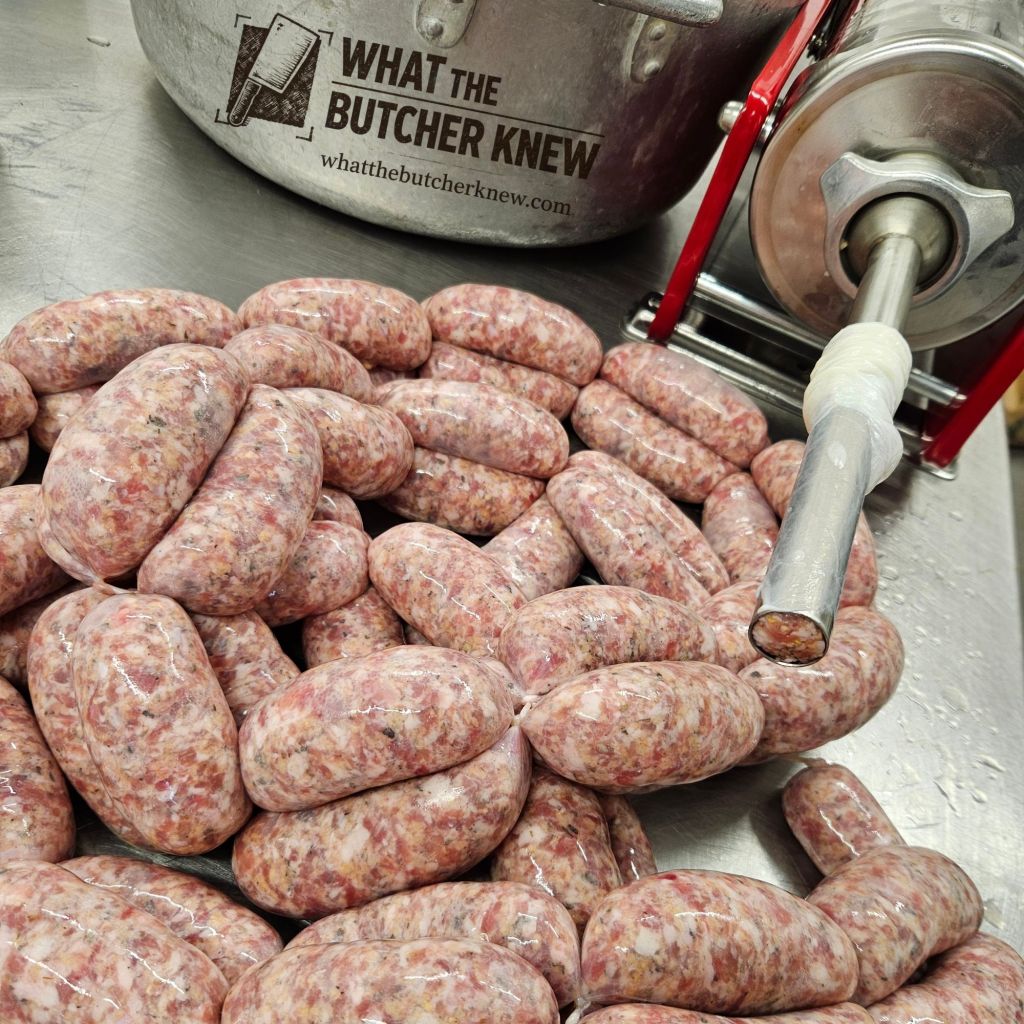
Sausage making, curing and charcuterie
Pork pies, pastry and old favourites
Practical food knowledge and kitchen skills
A focus on British ingredients and traditional methods
Recipes tested and cooked in our own kitchen
Why Write It Down?
A lot of the things I learned weren’t written in books. They were passed on by other butchers, farmers, bakers and cooks. Small tricks, practical knowledge and ways of doing things that had been refined over generations.
Much of that knowledge is disappearing. What The Butcher Knew is my attempt to save some of it before it’s forgotten.
Not because the old ways are always the best, but because they’re often worth understanding.
More Than Just Butchery
Despite the name, this isn’t just about meat.
Over time it’s grown to include baking, preserving, cooking over fire, growing food, and the wider skills that surround good food and self-sufficiency.
If it’s useful, traditional, or simply too good to lose, it probably belongs here.
Skills & Techniques
Recipes are only part of the story.
Many of the traditional foods featured on What The Butcher Knew rely on practical skills that are much easier to demonstrate than describe. Alongside the written guides you’ll find videos covering techniques, methods and workshop-style demonstrations designed to help you build confidence and learn by watching.
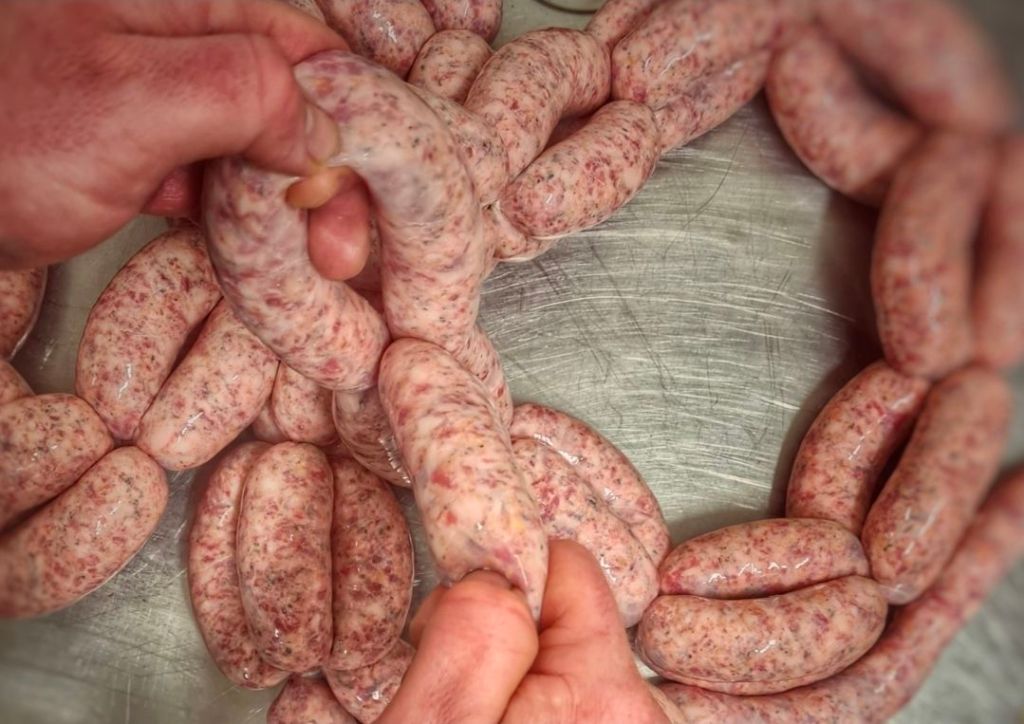
Whether it’s linking sausages, making hot water crust pastry, curing bacon, sharpening a knife, or understanding why a recipe works, the aim is always the same: to pass on useful knowledge in a straightforward and practical way.
The videos aren’t about perfection or expensive equipment. They’re about learning traditional skills, understanding the process, and having a go yourself.

